On the evening of
Monday, April 6, 1896, Tillie Karcher heard moaning in the flat of
seamstress Millie Meyers, just upstairs of her at 415 Bushwick Avenue in
Brooklyn. She listened again and heard a young female voice crying out,
"Oh, let me go home to my mama!"
Alarmed, Mrs.
Karchner sought out a policeman on his rounds, who went to the apartment
and found a young woman there, ailing and alone. The girl gave her name as Mrs. Emily Scott.
"What is your husband's name?" the officer asked.
"Ollie Scott. He is a fireman on a Fulton ferry boat."
"Do your parents know you are married?
"No; it is a secret."
"Are you his common law wife or were you married by a minister?"
"Ollie is my husband, and is a true, good husband to me. I believe in him."
"Who is your doctor?"
Emily named Dr. Cardwell of Halsey Street
The policeman
found prescription bottles in the room, so he copied the information
from them and went to the pharmacy that had prepared them. The
pharmacist said that the medicines were common ones used in treating
fevers.
The policeman
considered all these goings-on to be fishy, so he reported the situation
to the precinct captain, who began an investigation to identify and
round up everybody involved in the young woman's suspicious illness.
Around 5:30 on
Tuesday afternoon, April 7, the young woman said that she was going to
die soon, told the police that her real name was Emily Binney and gave
them her address on Rutledge Street.
Emily's turn for
the worse sent the police rushing for the coroner, leaving the ailing
girl in the care of Minnie Meyer. The coroner arrived to find that Miss
Meyer had abandoned Emily, leaving her to die alone in the intervening
half hour.
Dr. Cardwell was questioned and said that he had indeed cared for Emily but hadn't believed anything was unusual.
Minnie Meyer admitted that she'd helped 20-year-old Emily to seek out the services of 33-year-old midwife Mary Schott and had herself been engaged to look after the patient.
The building
cleaning woman told police that two men, Mr. May and a man who used both
the names Scott and Schmidt, had been coming by the place regularly to
see Emily.
A police officer
went to the Fulton ferry house and managed to identify Scott/Schmidt as
Arthur Robbins, who was a ferry fireman. Robbins was arrested when he
showed up at Meyer's flat to look for Emily at 10:00 that evening.
Robbins said that he was a family friend and that a friend had brought a
message from Emily that he was to come to see her there.
Mr. May turned out to be Emily's cousin George May, who boarded with her family.
May, Robbins, Schott, and Meyers were all arrested.
While the
suspects were being questioned, Minnie said that Emily's baby had been
born alive on March 21. Upon hearing that, Robbins burst into tears and
told police that about four hours after the child's birth he had wrapped
the baby in newspapers weighted down with a piece of iron and thrown it
out a porthole in the ferry. He couldn't say if the baby had still been
alive when it was tossed into the river.
He then admitted
that he had gone with Emily and Minnie to arrange for Mrs. Schott to
perform an abortion, paying her $50 that he'd gotten from Emily. Police
learned that Emily had gotten the money from her cousin George, who had
taken $100 out of the bank for her the day before the abortion. May
admitted that he'd gotten the money for Emily, but insisted that he'd
given it to her so she could go away while he and Robbins tried to get
her baby's father, Mr. Fox of Port Oram, New Jersey, to marry her.
Emily hadn't told
her parents of the pregnancy. She had left home, telling her sick
mother that she was going to Dover, New Jersey, to visit a friend. When
police notified the family of Emily's death, Mrs. Binney collapsed from
the shock and was reported to be "in critical condition."
Emily's older
sister, Beatrice, seemed to have a bit more knowledge. Though she
insisted to police that she'd not even known Emily to have a romantic
attachment, Beatrice had learned of her sister's death when she went to
the Meyers home.
Emily's father seemed to bear no ill will against Robbins. He actually
went to the station house to speak to him, asking "How are you, Robbie?"
Robbins, it is reported, "turned his face to the wall and wept."
Of all the parties involved, I could only learn the fate of Minnie Meyer, who was found guilty of manslaughter.
Monday, April 07, 2014


Sunday, April 06, 2014
Mysterious Deaths and Straightforward Cases
Bessie Braun, a 22-year-old homemaker and immigrant from Austria, died April 6, 1906, at Michael Reese Hospital. Chicago from septic complications of an abortion. Midwife Julia Gibson was arrested in the death.
On April 7, 1880, a woman's bloody cloak, with clumps of hair clinging to it, was found hanging from a spike protruding from a bridge over the River Rough, just south of the Village of Delray, Michigan, near Detroit. After two days of dragging the river, the body of a woman was found. She was dressed in black, bound and gagged. A stone had been tied to the clothesline which had been used to tie her hands behind her back. From a description of the dead woman in the newspaper, Mr. Clemens suspected that she was his sister, 26-year-old Anna Clemens of Bay City, Michigan. An investigation ultimately revealed that Anna's fiance had arranged for an abortion to be perpetrated by Dr. W.G. Cox. Anna died on April 6, and the two men hired a man to dispose of her body.
In early April of 1969, 35-year-old Mrs. Catherine Barnard of Arvada, Colorado, flew from her home to Will Rogers Airport, and took a taxi to the office of Dr. Virgil Roy Jobe., who perpetrated an abortion on her. A cab driver testified that he'd picked Catherine up at Jobe's office and taken her to the airport, but she ended up instead at South Community Hospital. There, doctors found her gravely ill from a punctured uterus and small intestine, and in spite of surgery, she died on April 6.
Sarah Hall, a widow about 31 years old, died under suspicious circumstances on Sunday, April 6, 1873 at the Grand Central Hotel in Chicago. The Springfield Republican noted:
*****
On April 7, 1880, a woman's bloody cloak, with clumps of hair clinging to it, was found hanging from a spike protruding from a bridge over the River Rough, just south of the Village of Delray, Michigan, near Detroit. After two days of dragging the river, the body of a woman was found. She was dressed in black, bound and gagged. A stone had been tied to the clothesline which had been used to tie her hands behind her back. From a description of the dead woman in the newspaper, Mr. Clemens suspected that she was his sister, 26-year-old Anna Clemens of Bay City, Michigan. An investigation ultimately revealed that Anna's fiance had arranged for an abortion to be perpetrated by Dr. W.G. Cox. Anna died on April 6, and the two men hired a man to dispose of her body.
*****
In early April of 1969, 35-year-old Mrs. Catherine Barnard of Arvada, Colorado, flew from her home to Will Rogers Airport, and took a taxi to the office of Dr. Virgil Roy Jobe., who perpetrated an abortion on her. A cab driver testified that he'd picked Catherine up at Jobe's office and taken her to the airport, but she ended up instead at South Community Hospital. There, doctors found her gravely ill from a punctured uterus and small intestine, and in spite of surgery, she died on April 6.
*****
Sarah Hall, a widow about 31 years old, died under suspicious circumstances on Sunday, April 6, 1873 at the Grand Central Hotel in Chicago. The Springfield Republican noted:
Her death was very sudden, and this, coupled with the strange action of her physician, Dr. Reynolds, when applied to for a certificate of death, led the proprietor of the hotel and some of the guests to suspect that she did not die from natural causes. A sworn statement to this effect was made, and the coroner caused the body to be intercepted when on its way to the depot to be taken East. The box was addressed to "Col William H. Bartlett, Portland, Ct." A post-mortem examination proved conclusively that an abortion had been performed, which doubtless caused her deathThe fatal abortion had possibly been arranged by a wealthy man who had been very attentive of Sarah, and from whom she was evidently hoping for a marriage proposal.
Saturday, April 05, 2014
A 2009 Abortion Death I Just Learned Of: Sherika Mayo
HT: Protecting Black Life
Medical board documents courtesy of AbortionDocs
On March 21, 2008, 23 year old Sherika Mayo went to Summit Medical Associates in Atlanta, Georgia for the elective abortion of her 25 week unborn child.
Sherika had sickle cell trait along with low levels of hemoglobin
in her blood -- only 7.3 gms when a normal range for an adult woman is
between 12 and 16. Abortionist Tyrone Maloy proceeded with the abortion
anyway.
While in the recovery room, Sherika went into cardiac arrest and was transferred to Atlanta Medical Center while EMS workers continued CPR. Upon arrival, Sherika had a distended abdomen and vaginal bleeding, so ER workers called for a gynecology consult.
Emergency surgery was performed to remove Sherika's damaged uterus and repair an injured bowel. Malloy holds that her bowel was injured during this surgery, not during the abortion.
After surgery, Sherika showed symptoms of DIC (disseminated intravascular coagulopathy, a life-threatening clotting disorder sometimes caused by trauma or infection). She was treated with blood products but died in the I.C.U.
The Georgia State Medical Board reviewed the case and determined that abortionist Tyrone Malloy, “failed to conform to minimal standards of acceptable and prevailing medical practice.” He failed to follow proper standards of care in the following ways:
1. Sherika's blood count was low; since this was an elective procedure, she should have been provided with a transfusion to bring her blood hemoglobin level up to at least 9 gm.
2. Blood clotting tests should have been performed prior to the abortion.
3. Malloy should have more accurately determined the gestational age of Sherika's pregnancy because the risk of amniotic fluid embolism (which can cause the clotting disorder that ultimately killed Sherika) increases with increased gestational age and additional "intrauterine manipulation."
Malloy was reprimanded. He was ordered to pay a $10,000.00 fine and to take continuing education classes. He is allowed to continue to practice medicine in general and abortions in particular.
Medical board documents courtesy of AbortionDocs
On March 21, 2008, 23 year old Sherika Mayo went to Summit Medical Associates in Atlanta, Georgia for the elective abortion of her 25 week unborn child.
 |
| Abortionist Tyrone Maloy |
While in the recovery room, Sherika went into cardiac arrest and was transferred to Atlanta Medical Center while EMS workers continued CPR. Upon arrival, Sherika had a distended abdomen and vaginal bleeding, so ER workers called for a gynecology consult.
Emergency surgery was performed to remove Sherika's damaged uterus and repair an injured bowel. Malloy holds that her bowel was injured during this surgery, not during the abortion.
After surgery, Sherika showed symptoms of DIC (disseminated intravascular coagulopathy, a life-threatening clotting disorder sometimes caused by trauma or infection). She was treated with blood products but died in the I.C.U.
The Georgia State Medical Board reviewed the case and determined that abortionist Tyrone Malloy, “failed to conform to minimal standards of acceptable and prevailing medical practice.” He failed to follow proper standards of care in the following ways:
1. Sherika's blood count was low; since this was an elective procedure, she should have been provided with a transfusion to bring her blood hemoglobin level up to at least 9 gm.
2. Blood clotting tests should have been performed prior to the abortion.
3. Malloy should have more accurately determined the gestational age of Sherika's pregnancy because the risk of amniotic fluid embolism (which can cause the clotting disorder that ultimately killed Sherika) increases with increased gestational age and additional "intrauterine manipulation."
Malloy was reprimanded. He was ordered to pay a $10,000.00 fine and to take continuing education classes. He is allowed to continue to practice medicine in general and abortions in particular.
2001: A Post-Abortion Suicide
Dear Lord,On April 5, 2001, Donetta Robben‘s 22-year-old niece didn‘t show up for work. Her friend Rosa drove over to check on her, and her car wasn‘t there. Rosa called the girl‘s father, Edwin. Had she gone home to visit her family?
I sit here alone with my thoughts wondering if you will ever forgive me. Why do I continue to fail you? I'm failing you because I‘m turning away from the precious gift of having a child. A child. A breathing, living, beautiful life that I created but too selfish to accept from you. Will you still love me as a child of yours? Will I still love me after today?
Haley‘s journal - Oct. 23, 2000
Edwin later said he just knew that his daughter was dead. He called the Omaha police, and he called his daughter‘s landlord. They went to the apartment. They found her body.
Though the coroner estimated that the young woman had been dead for several days, all official documents, and the young woman‘s tombstone, use the April 5th date. So will I.
In telling her niece's story, Donetta decided to use the name ‘Haley Mason‘ rather than her niece‘s real name. In respect for the family‘s desire to grieve privately, I‘m using the name Donetta uses: Haley Mason. Likewise, I use the pseudonyms Donetta uses for friends and family members.
The official ruling was that Haley‘s death was an accidental overdose. Her family was stunned as the investigators spoke with them, revealing the discoveries made while looking into the young woman‘s death. Isolated words echoed in their minds: death, journals, death, pills, death, drinking, death, hurt, death, abortion... Abortion?
Abortion.
The answers to how Haley went from happy-go-lucky college student to suicide statistic weren‘t in the official reports. They were found in Haley‘s journals, where she poured her heart out in the final months of her life.
The story of how Haley died begins when she fell in love with Todd. She found out she was pregnant and told him. He wanted her to get an abortion.
Haley was a student at the University of Nebraska. She worked two jobs to meet her expenses. Unmarried, without much money, and with a disapproving boyfriend, Haley saw abortion as her only option. She made her appointment at the Bellevue, Nebraska practice of Dr. Leroy Carhart. It was late October of 2000.
Haley wrote of Todd‘s attitude: "I must let him abandon me. He doesn‘t care about me. I know he‘s only agreed to pay for it to ease his own guilt."
Haley found the abortion stressful: the wait, the sounds, the crude and uncaring behavior of the doctor. Haley‘d been told to arrive at the clinic at 7:00 in the morning, but it was ten hours before she was finally on the table, ready for the abortion. Carhart walked into the room, clad in a dirty coat and glasses so smeared that Haley‘s friend, who had accompanied her, wondered how he could even see through the lenses.
Haley, in her fog of medication, tried to make a joke. "Don‘t hurt me down there?" she said. "Be still and I won‘t," Carhart replied.
While performing the vacuum abotion, Carhart spouted profanities. He told Haley and her friend that he was tired. He‘d been speaking in California the day before, and had just flown into Omaha that morning.
After the abortion, Haley felt violated, as if she‘d been raped. She also experienced continued spotting into January. She'd not been given a follow-up appointment, and didn‘t know if the bleeding was normal or not. She didn‘t want to go to another doctor, because she‘d have to tell him about the abortion, and that was just too painful to talk about. The bleeding was a constant reminder of the death of Haley‘s unborn baby.
Haley told few people about the abortion: three close friends and two relatives. But she didn‘t tell them of her struggle to cope with the emotional pain. She kept telling herself that she‘d done the best thing. But she started punishing herself, and pushed away anybody who tried to love her. She didn‘t feel that she deserved their love.
Haley longed for a knight in shining armor to rescue her from the prison of her grief, but she no longer felt comfortable with men. She had to get drunk to be able to endure sex. And even then, it reminded her of the abortion. Todd came by at early hours, looking for sex. Haley submitted, but her heart wasn‘t in it. She no longer felt loved. She felt used.
The drinking got worse. Hot baths and quick jogs provided temporary relief from the anguish, but it always returned.
Finally, Haley could stand it no more.
First, plenty of numbing alcohol. Then, she went into her living room and grabbed a precious photo of her late mother and maternal grandfather. Next, a bottle of vodka. A bottle of aspirin. An old prescription bottle of Benadryl. Haley washed the drugs down with the vodka, leaving the three bottles next to the photograph.
She went into the bedroom. She put her rosary around her neck. She set an empty holy water bottle on her dresser. She opened her journal to the day of the abortion. She lay down, head on her pillow, looking for the rest she couldn‘t find any more in living.
Leaving her family to sort out their own pain.
A Doctor's Deady Work: Chicago, 1927
On the morning of April 5, 1927, Arhne Reynolds died at the Chicago office of Dr. Louis Ginsburg from an abortion performed on her there that day. Ginsburg was arrested on April 18, and indicted for felony murder on May 15.
Arhne's abortion was typical of illegal abortions in that it was performed by a physician.
Keep in mind that things that things we take for granted, like antibiotics and blood banks, were still in the future. For more about abortion in this era, see Abortion in the 1920s
During the first two thirds of the 20th Century, while abortion was still illegal, there was a massive drop in maternal mortality, including mortality from abortion. Most researches attribute this plunge to improvements in public health and hygiene, the development of blood transfusion techniques, and the introduction of antibiotics. Learn more here.
Arhne's abortion was typical of illegal abortions in that it was performed by a physician.
Keep in mind that things that things we take for granted, like antibiotics and blood banks, were still in the future. For more about abortion in this era, see Abortion in the 1920s
During the first two thirds of the 20th Century, while abortion was still illegal, there was a massive drop in maternal mortality, including mortality from abortion. Most researches attribute this plunge to improvements in public health and hygiene, the development of blood transfusion techniques, and the introduction of antibiotics. Learn more here.
 |
Friday, April 04, 2014
Doctor, Ex-Doctor, and Doctor: Illegal and Legal Abortion Deaths
On April 4, 1907, Mrs. Norma Beck, age 32, died at Lakeside Hospital in Chicago from septic peritonitis caused by a criminal abortion perpetrated at the office of Thomas J Balhollchett on March 24. Balhollchett was held by the coroner's jury and indicted, but there is no record that the case went to trial.
Operating on a tip, police, accompanied by an ambulance, broke into a private home at 2753 Sexton Place, in the Pelham section of the Bronx, on April 4, 1954. There they found Gertrude Pinsky, age 35, dead from septic poisoning from an illegal abortion. Gertrude, who had worked as a civilian employee at the Brooklyn Naval Yard, had been left fully clothed, propped up sitting in a chair.
Police arrested Florence Cavalluzzo, a former practical nurse and resident of the home, and Hugo Francese, a physician who had lost his license in 1947 related to, as far as I can determine, drug charges. Later arrested were Jack M. Werner, owner of Werner Surgical Supplies, and Ignatius Cavalluzzo, Florence Cavalluzzo's son, along with Mrs. Elizabeth Blum, a convicted abortionist who was promptly picked up for violating her parole.
Dr. Samuel E. Witt was charged with referring women to the ring, evidently run by Dr. Herbert S. Wolfe. Four doctors were charged with referring women and receiving a $30 kickback for each referral: Joseph F. Pacelli, Abraham Cohen, Kalman Molnar, and Poon Lim.
Francese and Florence Cavalluzzo were convicted of first-degree manslaughter in Gertrude's death and sentenced to 12 1/2 to 15 years for first degree manslaughter . A police detective, Valentine J. Stewart, found at the home at the time of the raid, was acquitted. Stewart's son, police patrolman Joseph F. Stewart, was also implicated as a conspirator in the ring.
Gertrude's abortion was typical of illegal abortions in that it was performed by a physician.
Mary Bradley, a 41-year-old mother of four, underwent a safe, legal 20-week abortion performed Dr. George Wayne Patterson in March of 1985. Because of severe bleeding, she was admitted to a hospital and had a total hysterectomy on March 28. Mary developed blood clotting and respiratory difficulties, and finally died on April 4, 1985. According to official documents, another Alabama woman, Janyth Caldwell, died after an abortion performed by Patterson. Patterson himself also suffered an early death at somebody else's hands. He was gunned down outside a pornography theater in an apparent gangland slaying. The Feminist Majority Foundation, and //Revolutionary Worker// lament the gangland shooting of an abortionist, while ignoring the fact that he himself had evidently killed two women, underscores where the abortion lobby's priorities are.
****
Operating on a tip, police, accompanied by an ambulance, broke into a private home at 2753 Sexton Place, in the Pelham section of the Bronx, on April 4, 1954. There they found Gertrude Pinsky, age 35, dead from septic poisoning from an illegal abortion. Gertrude, who had worked as a civilian employee at the Brooklyn Naval Yard, had been left fully clothed, propped up sitting in a chair.
Police arrested Florence Cavalluzzo, a former practical nurse and resident of the home, and Hugo Francese, a physician who had lost his license in 1947 related to, as far as I can determine, drug charges. Later arrested were Jack M. Werner, owner of Werner Surgical Supplies, and Ignatius Cavalluzzo, Florence Cavalluzzo's son, along with Mrs. Elizabeth Blum, a convicted abortionist who was promptly picked up for violating her parole.
Dr. Samuel E. Witt was charged with referring women to the ring, evidently run by Dr. Herbert S. Wolfe. Four doctors were charged with referring women and receiving a $30 kickback for each referral: Joseph F. Pacelli, Abraham Cohen, Kalman Molnar, and Poon Lim.
Francese and Florence Cavalluzzo were convicted of first-degree manslaughter in Gertrude's death and sentenced to 12 1/2 to 15 years for first degree manslaughter . A police detective, Valentine J. Stewart, found at the home at the time of the raid, was acquitted. Stewart's son, police patrolman Joseph F. Stewart, was also implicated as a conspirator in the ring.
Gertrude's abortion was typical of illegal abortions in that it was performed by a physician.
****
Mary Bradley, a 41-year-old mother of four, underwent a safe, legal 20-week abortion performed Dr. George Wayne Patterson in March of 1985. Because of severe bleeding, she was admitted to a hospital and had a total hysterectomy on March 28. Mary developed blood clotting and respiratory difficulties, and finally died on April 4, 1985. According to official documents, another Alabama woman, Janyth Caldwell, died after an abortion performed by Patterson. Patterson himself also suffered an early death at somebody else's hands. He was gunned down outside a pornography theater in an apparent gangland slaying. The Feminist Majority Foundation, and //Revolutionary Worker// lament the gangland shooting of an abortionist, while ignoring the fact that he himself had evidently killed two women, underscores where the abortion lobby's priorities are.
Thursday, April 03, 2014
Fatal Abortion Perps: Unknown (1919), Midwife (1928), Doctor (1932)
On April 3, 1919, 22-year-old Mrs. Mary Kizior died at Chicago's
Jefferson Park Hospital from an abortion perpetrated by an unknown
suspect.
On April 3, 1928, 30-year-old homemaker Stefania Kwit died from complications of a criminal abortion performed that day by midwife Pauline Majerczyk. On May 3, Mauerczyk was held by the coroner for murder by abortion, and indicted for felony murder on May 15.
Ethel Hestland,
age 30, died on April 3, 1932, in the Oklahoma City area from a criminal
abortion. Her death certificate was signed by Dr. Richard E. Thacker. Thacker (pictured) had been identified as responsible for a string of other abortion deaths, including Marie Epperson, Isobel F. Ferguson, Ruth Hall, Lennis May Roach, Nancy Joe Lee,and Robbie Lou Thompson.
On April 3, 1928, 30-year-old homemaker Stefania Kwit died from complications of a criminal abortion performed that day by midwife Pauline Majerczyk. On May 3, Mauerczyk was held by the coroner for murder by abortion, and indicted for felony murder on May 15.
 |
| Abortionist Richard Thacker |
Chicago Abortion Proves Fatal: 1912
On April 2, 1912, 25-year-old homemaker Elizabeth M. Jorgeson died from an abortion perpetrated that day by Katie Sauer,
whose profession is not given. Sauer was held by the Coroner's Jury and
indicted by a Grand Jury on November 30. The case never went to trial.
Tuesday, April 01, 2014
Criminal Abortion Deaths: The Work of Doctors and a Midwife
At about 3:00 in the morning of April 1, 1904, 26-year-old Edith S. McIntyre, a
schoolteacher from Boothbay Harbor died at a sanitarium run by Dr. Charles A Eastman in Old Orchard, Maine. The suspicious circumstances surrounding Edith's deaths lead to an inquest which determined that she had died from the results of a botched abortion.
Eastman was arraigned on a murder charge, to which he plead not guilty.
The prosecution presented evidence that Eastman had performed an
abortion on Edith some time in March, and that she developed septicemia
and died as a result.
On July 12, the jury returned a verdict of guilty of manslaughter.
On April 1, 1911, 23-year-old Chicago homemaker Annie Murphy died from an abortion perpetrated by a midwife (or possibly obstetrician) named Carolina Adams. Adams was held by the Coroner's Jury but the case never went to trial.
On March 29, 1921, Dr. Simeon B. Minden performed an abortion in his office on 32-year-old Mrs. Catherine Riga. Catherine died three days later, April 1, at Lincoln Hospital. It took only two days for his trial, which ended in a conviction. Minden collapsed upon hearing the verdict.
Ruby Ford is the third of six women whose abortion deaths were attributed to Dr. Guy E. Brewer, a beloved philanthropist in the small town of Graber, Oklahoma.
Ruby, a homemaker, died on April 1, 1934, 11 days after an abortion
committed on March 20 "at the combination bachelor dwelling and office
of Dr. Brewer in Garber.
During the first two thirds of the 20th Century, while abortion was still illegal, there was a massive drop in maternal mortality, including mortality from abortion. Most researches attribute this plunge to improvements in public health and hygiene, the development of blood transfusion techniques, and the introduction of antibiotics. Learn more here.
On April 1, 1911, 23-year-old Chicago homemaker Annie Murphy died from an abortion perpetrated by a midwife (or possibly obstetrician) named Carolina Adams. Adams was held by the Coroner's Jury but the case never went to trial.
On March 29, 1921, Dr. Simeon B. Minden performed an abortion in his office on 32-year-old Mrs. Catherine Riga. Catherine died three days later, April 1, at Lincoln Hospital. It took only two days for his trial, which ended in a conviction. Minden collapsed upon hearing the verdict.
 |
| Abortionist Guy Brewer |
During the first two thirds of the 20th Century, while abortion was still illegal, there was a massive drop in maternal mortality, including mortality from abortion. Most researches attribute this plunge to improvements in public health and hygiene, the development of blood transfusion techniques, and the introduction of antibiotics. Learn more here.
|
Monday, March 31, 2014
Death by Doctor (1914) and Midwife (1926), Chicago
On March 31, 1914, 24-year-old Frances Fergus, a native of Salt Lake
City, died at Chicago's German Evangelical Deaconess Hospital from
peritonitis caused by an abortion. Dr. James R. Struble was implicated but released after the coroner's jury inquest.
Two years later Struble was implicated in the abortion death of Augusta Bloom.
On March 31, 1926, 24-year-old homemaker Louise Maday died at Chicago's West End Hospital from complications of an abortion performed at an earlier date. Midwife Amelia Becker was held by the coroner on April 27.
On March 31, 1926, 24-year-old homemaker Louise Maday died at Chicago's West End Hospital from complications of an abortion performed at an earlier date. Midwife Amelia Becker was held by the coroner on April 27.
Friday, March 28, 2014
1942: Prosecutor's Golfing Buddy Acquitted in Abortion Death
On March 28, 1942, 19-year-old Cleo Moore died at New Rochelle Hospital in New York from peritonitis from an illegal abortion.
Upon admission, Cleo told authorities that she had taken some pills to induce the abortion, but before her death she changed her story and said that Dr. Frank F. Marino had performed the fatal abortion.
According to Cleo's roommate, Alice Petersen, Cleo met a man through her work, and discovered that she was pregnant in January.
On March 5, Cleo visited Marino to arrange an abortion, which he performed at his home office on March 9.
By March 11, Cleo was ill and summoned Marino, who sent her to the hospital with instructions not to inform anyone that he had operated on her. Alice also said that Dr. Marino's wife told her to protect her husband, lest "you and Miss Moore...go to prison."
Marino testified that he had examined Cleo on March 5, refused the requested abortion, and did not hear from Cleo again until the 11th, when he was summoned to her home and sent her to the hospital without reporting the abortion.
Marino, who had been a member of the County Board of Supervisors, the New Rochelle Board of Education, and the New Rochelle Zoning Board of Appeals, was also a golfing buddy of the prosecutor of the case. Marino was acquitted.
Cleo's abortion was typical of pre-legalization abortions in that it was performed by a physician.
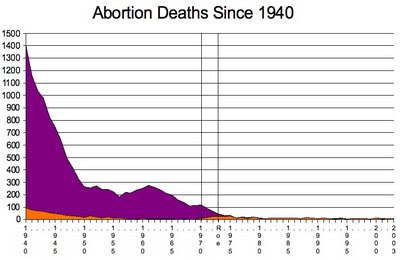
During the 1940s, while abortion was still illegal, there was a massive drop in maternal mortality from abortion. The death toll fell from 1,407 in 1940, to 744 in 1945, to 263 in 1950. Most researches attribute this plunge to the development of blood transfusion techniques and the introduction of antibiotics. Learn more here.
 |
| Vintage abortion pills |
According to Cleo's roommate, Alice Petersen, Cleo met a man through her work, and discovered that she was pregnant in January.
On March 5, Cleo visited Marino to arrange an abortion, which he performed at his home office on March 9.
By March 11, Cleo was ill and summoned Marino, who sent her to the hospital with instructions not to inform anyone that he had operated on her. Alice also said that Dr. Marino's wife told her to protect her husband, lest "you and Miss Moore...go to prison."
Marino testified that he had examined Cleo on March 5, refused the requested abortion, and did not hear from Cleo again until the 11th, when he was summoned to her home and sent her to the hospital without reporting the abortion.
Marino, who had been a member of the County Board of Supervisors, the New Rochelle Board of Education, and the New Rochelle Zoning Board of Appeals, was also a golfing buddy of the prosecutor of the case. Marino was acquitted.
Cleo's abortion was typical of pre-legalization abortions in that it was performed by a physician.
During the 1940s, while abortion was still illegal, there was a massive drop in maternal mortality from abortion. The death toll fell from 1,407 in 1940, to 744 in 1945, to 263 in 1950. Most researches attribute this plunge to the development of blood transfusion techniques and the introduction of antibiotics. Learn more here.
Thursday, March 27, 2014
Two Verified, One Claimed
On March 15, 1917, 24-year-old waitress Celia Steele died at Chicago's Jefferson Park Hospital from septicemia and purulent peritonitis caused by a criminal abortion. The coroner was unable to identify the guilty party.
 On March 27, 1929,34-year-old Clara Duvall died at Pittsburgh's Mercy Hospital. Abortion-rights organizations assert that though the death certificate listed Clara's cause of death as pneumonia, she actually died from a self-induced knitting-needle abortion which Clara told her 10-year-old daughter about from her deathbed. I've been unable to verify that there is any evidence that Clara died from any sort of abortion.
On March 27, 1940, 20-year-old homemaker Mary Ann Page of Alton, Illinois, died from a botched criminal abortion. The Coroner's jury identified the perpetrator as 69-year-old Dr. C.E. Trovillion, also of Alton, former managing officer of Illinois state hospitals.

On March 27, 1940, 20-year-old homemaker Mary Ann Page of Alton, Illinois, died from a botched criminal abortion. The Coroner's jury identified the perpetrator as 69-year-old Dr. C.E. Trovillion, also of Alton, former managing officer of Illinois state hospitals.

Wednesday, March 26, 2014
BREAKING: 911 Records Show Cleveland Abortion Patient “Not Breathing At All”
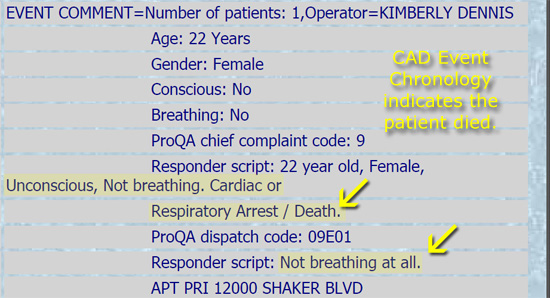
Operation Rescue has obtained a 911 tape and transcript from Friday, March 21. Staff at Cleveland's Preterm abortion facility called an ambulance for a 22-year-old patient who had stopped breathing and was being resuscitated.
Video of the woman being loaded into the ambulance does not seem to show any CPR being performed. It is possible that the caller confused "bagging" the patient (assisting with breathing" with CPR (trying to restore a heartbeat), and that this is just a case of respiratory arrest being addressed.
Since three staff followed -- believed to be a nurse, a doctor, and the office manager -- this seems to indicate attempts to retain control of a living patient. The office manager alone would suffice to do damage control for a dead patient.
I'm praying that this young woman is still alive and will recover.

Video of the woman being loaded into the ambulance does not seem to show any CPR being performed. It is possible that the caller confused "bagging" the patient (assisting with breathing" with CPR (trying to restore a heartbeat), and that this is just a case of respiratory arrest being addressed.
Since three staff followed -- believed to be a nurse, a doctor, and the office manager -- this seems to indicate attempts to retain control of a living patient. The office manager alone would suffice to do damage control for a dead patient.
I'm praying that this young woman is still alive and will recover.
A Safe-n-Legal Death from 1986
Gail Wright was 29 years old when she underwent a legal abortion. She was 20 weeks pregnant.
After her abortion, she developed sepsis. She died of adult respiratory distress syndrome on March 26, 1986, leaving behind a husband.
After her abortion, she developed sepsis. She died of adult respiratory distress syndrome on March 26, 1986, leaving behind a husband.
Tuesday, March 25, 2014
Fatal abortions of all sorts, from 1848 to 2000

On March 25 of 1889, in spite of the best efforts of three physicians, Delia Mae Bell of Birmingham, Alabama, died after a sudden, violent illness, eventually traced to an abortifacient purchased from a saloon keeper.
Homemaker Celia M. Schultz, age 29, died in a Chicago home from septicemia caused by an abortion on March 25, 1910. A woman named Mary Rommell was indicted for felony murder by a grand jury. The source document does not indicate her profession, or that the case ever went to trial.
Mary Colbert, age 21, died on March 25, 1933 from the effects of an abortion her boyfriend, Edward Dettman, had arranged at her behest with Chicago abortionist Dr. Emil Gleitsman.earlier in the month.
Jolene Griffith died on March 25, 1962 of a lingering infection caused by an abortion prochoice hero Dr. W.J. Bryan Henrie, an osteopath, performed at his clinic in Grove, Oklahoma on March 3. According to her survivors, Griffith had abandoned her and provided no care to treat the infection. Henire was convicted, and served 25 months of a 4-year sentence. Upon his release, he went right back to doing abortions.

Monday, March 24, 2014
Two Doctors, a Dentist, and an Unknown
On March 24, 1870, Catherine Shields died in Jersey City from an abortion perpetrated by Dr. Charles Cobel.
"The infamous doctor was arrested, as was also one Patrick Watson,
charged with having outraged the person of the unfortunate girl. Cobel was held responsible for the 1856 death of Catharine DeBreuxal, the 1858 death of. Amelia Weber, the 1865 death of Emma Wolfer, and the 1875 death of Antoinette Fennor.
On March 24, 1905, 28-year-old Ida Alice Bloom, a Swedish immigrant working as a domestic servant, died suddenly in Chicago from septic peritonitis caused by an apparent criminal abortion perpetrated on or about March 15. Dr. Julius N. Goltz as arrested as a principal, and James McDonald as an accessory. Both men were held without bail by a coroner's jury.
On March 24, 1915, 31-year-old Frances Kulczyk died at her Chicago home from an abortion performed by an unknown perpetrator.
On March 21, 1947, Ilene Lorraine Eagen, age 24, was brought to Mankato, Minnesota, to the dental office of W. A. Groebner for an abortion. Court records indicate that Ilene was pressured into the abortion by her paramour, Raymond Older, who refused to marry her and threatened her with bodily harm if she refused an abortion. After the abortion, Ilene became violently ill and lost consciousness. Groebner and Older failed to seek or provide properly care for the sick woman. Instead, Older took Ilene to his service station in Granada, Minnesota and kept her there through the remainder of the night, into the morning of March 22. Older allowed Ilene to languish without medical care. She died March 24, leaving a seven-year-old daughter motherless. Older tried to escape civil liability on the grounds that despite his refusal to marry her, and the threats, Ilene had consented to the abortion and that therefore she was responsible for her own sickness and subsequent death.
On March 24, 1905, 28-year-old Ida Alice Bloom, a Swedish immigrant working as a domestic servant, died suddenly in Chicago from septic peritonitis caused by an apparent criminal abortion perpetrated on or about March 15. Dr. Julius N. Goltz as arrested as a principal, and James McDonald as an accessory. Both men were held without bail by a coroner's jury.
On March 24, 1915, 31-year-old Frances Kulczyk died at her Chicago home from an abortion performed by an unknown perpetrator.
On March 21, 1947, Ilene Lorraine Eagen, age 24, was brought to Mankato, Minnesota, to the dental office of W. A. Groebner for an abortion. Court records indicate that Ilene was pressured into the abortion by her paramour, Raymond Older, who refused to marry her and threatened her with bodily harm if she refused an abortion. After the abortion, Ilene became violently ill and lost consciousness. Groebner and Older failed to seek or provide properly care for the sick woman. Instead, Older took Ilene to his service station in Granada, Minnesota and kept her there through the remainder of the night, into the morning of March 22. Older allowed Ilene to languish without medical care. She died March 24, leaving a seven-year-old daughter motherless. Older tried to escape civil liability on the grounds that despite his refusal to marry her, and the threats, Ilene had consented to the abortion and that therefore she was responsible for her own sickness and subsequent death.
Sunday, March 23, 2014
Three Deadly Doctors and a Mystery Abortionist
On March 23, 1905, Mrs. Ida Pomering, a 30-year-old German immigrant,
died in Chicago from an abortion performed earlier that day. Dr. Apollonia Heinle was held by the coroner's jury for Ida's death.
On March 23, 1907, Mrs. Dora Swan, age 24, died at Englewood Union Hospital in Chicago from infection caused by a criminal abortion. Louise Achtenberg, whose profession is not given, was held responsible by the coroner, but there is no record that charges were filed. Achtenberg, a doctor identified as a midwife due to her obstetric work, had been implicated in the 1909 abortion deaths of Stella Kelly and Florence Wright. She was also implicated in the 1921 abortion death of Violet McCormick. Later, in 1924, it was Dr. Louise Achtenberg who was held responsible for the death of Madelyn Anderson.
On March 23, 1917, 19-year-old Mary Conners died at Chicago's County Hospital, refusing to name the abortionist who had fatally injured her that day.
Life Dynamics lists 24-year-old Lynn McNair on their "Blackmun Wall" of women killed by legal abortions.
LDI notes that Lynn was 23 weeks pregnant when she was injected with saline by Dr. Edward Rubin at Jewish Memorial Hospital. The first injection of saline failed to kill the fetus, so Lynn was given a second injection. After this second dose, Lynn went into contractions and slipped into a coma. She died March 23, 1979 of a pulmonary embolism of amniotic fluid, leaving two children motherless.
On March 23, 1907, Mrs. Dora Swan, age 24, died at Englewood Union Hospital in Chicago from infection caused by a criminal abortion. Louise Achtenberg, whose profession is not given, was held responsible by the coroner, but there is no record that charges were filed. Achtenberg, a doctor identified as a midwife due to her obstetric work, had been implicated in the 1909 abortion deaths of Stella Kelly and Florence Wright. She was also implicated in the 1921 abortion death of Violet McCormick. Later, in 1924, it was Dr. Louise Achtenberg who was held responsible for the death of Madelyn Anderson.
On March 23, 1917, 19-year-old Mary Conners died at Chicago's County Hospital, refusing to name the abortionist who had fatally injured her that day.
Life Dynamics lists 24-year-old Lynn McNair on their "Blackmun Wall" of women killed by legal abortions.
LDI notes that Lynn was 23 weeks pregnant when she was injected with saline by Dr. Edward Rubin at Jewish Memorial Hospital. The first injection of saline failed to kill the fetus, so Lynn was given a second injection. After this second dose, Lynn went into contractions and slipped into a coma. She died March 23, 1979 of a pulmonary embolism of amniotic fluid, leaving two children motherless.
Friday, March 21, 2014
Chicago Deaths, 1011, 1016, 1927
On March 21, 1911, 33-year-old homemaker Katherine "Kate" Kammer died of
septic peritonitis at German Hospital in Chicago from an abortion
perpetrated by a "midwife" around 5 days earlier.
For reasons not given in the source document, there was never any prosecution for Kate's death.
On March 21, 1916, 30-year-old Mrs. Anna Krauz died at her home on Union Avenue in Chicago from infection caused by a perforated uterus. An abortion had been perpetrated by midwife Anna Kidicas, who was held by the Coroner but acquitted on trial.
On March 21, 1927, 25-year-old Nancy Dawson, an immigrant from England, died in Chicago from a criminal abortion performed that day. That same day, Dr. J.F. Peck and midwife Christine Sedwig were indicted for felony murder on April 1. Nancy's abortion was typical of illegal abortions in that it was performed by a physician.
Keep in mind that things that things we take for granted, like antibiotics and blood banks, were still in the future. For more about abortion in this era, see Abortion in the 1920s.

On March 21, 1916, 30-year-old Mrs. Anna Krauz died at her home on Union Avenue in Chicago from infection caused by a perforated uterus. An abortion had been perpetrated by midwife Anna Kidicas, who was held by the Coroner but acquitted on trial.
On March 21, 1927, 25-year-old Nancy Dawson, an immigrant from England, died in Chicago from a criminal abortion performed that day. That same day, Dr. J.F. Peck and midwife Christine Sedwig were indicted for felony murder on April 1. Nancy's abortion was typical of illegal abortions in that it was performed by a physician.
Keep in mind that things that things we take for granted, like antibiotics and blood banks, were still in the future. For more about abortion in this era, see Abortion in the 1920s.
Thursday, March 20, 2014
Repost: Where did Gosnell get the idea for "snipping"?
 It's a year since infamous Philadelphia abortionist Kermit Gosnell (pictured, left) went on trial for murdering live-born infants at his filthy abortion mill. but where did Gosnell get the idea for "snipping" the necks of live-born infants in order to "ensure fetal demise"?
 Of all the ways to kill a squirming newborn, a scissors to the back of the neck seems a bit arbitrary. It doesn't even seem like the easiest method of "ensuring fetal demise." Even sharp scissors don't just snip through bone the way they snip through paper.
I don't think Gosnell simply pulled the idea of "snipping" out of thin air. I'm guessing he got it from somewhere. I'm guessing that he got it from a highly reputable source.
 I direct your attention, gentle reader, to Martin Haskell's D&X presentation paper to the National Abortion Federation, in which Haskell (pictured, right) teaches this prestigious group of highly reputable providers how to use his new and improved abortion method. This method, like Gosnell's preferred method, involved getting the fetus out entirely in one piece. You might have heard this procedure referred to as "partial birth abortion."
I'll let Haskell explain the method himself:
"...the surgeon takes a pair of blunt curved Metzenbaum scissors (pictured -- ed.) in the right hand. He carefully advances the tip, curved down, along the spine... until he feels it contact the base of the skull.... the surgeon then forces the scissors into the base of the skull.... Having safely entered the skull, he spreads the scissors to enlarge the opening."

That the baby starts out alive, and that the goal of using the blunt, curved Metzenbaum scissors is to to "ensure fetal demise" is pretty clear when one listens to Haskell's presentation and the discussion afterward. He chuckled that the baby sometimes "helps" -- his word -- by wrapping its little arms and legs around the "surgeon's" hand while the scissors are being positioned.

No, the idea of jamming scissors into the back of a living, wriggling baby's neck is not one that is original to the illustrious Dr. Kermit Gosnell. He clearly sat at the feet of the master when he learned how to make sure that the abortion patient doesn't go home with a live baby.
I don't even think that Gosnell came up with the term "ensure fetal demise" on his own. Haskell made reference to two different methods used in late second-trimester abortions to ensure "fetal demise."
I would also love to know if Gosnell attended this particular gathering of reputable abortion providers. It was held in September of 1992 in Dallas. A peek into this -- and into entire extent of the National Abortion Federation's role in the Gosnell debacle -- would certainly be a more productive use of Congressional time than taking turns carping about whether or not journalists (who should, after all, be outside Congressional influence) are giving the Gosnell story enough coverage.

PS: Please feel free to use these images which sum up the whole matter:


Now get tweeting!
Tweet for the Gosnell Anniversary
A year ago, Kermit Gosnell, who worked part time at a National Abortion Federation clinic in addition to running his own "house of horrors," went on trial for capital murder for the deaths of live-born babies and of abortion patient Karnamaya Mongar, who was fatally overdosed by his staff.
Let's do some tweeting in his honor -- primarily to remind people that Gosnell was hardly an outlier. I'll do a few, and you can check at #Gosnell to find tweets to re-tweet. Here are some images, links, and ideals you can make use of:


Let's do some tweeting in his honor -- primarily to remind people that Gosnell was hardly an outlier. I'll do a few, and you can check at #Gosnell to find tweets to re-tweet. Here are some images, links, and ideals you can make use of:
How did this go on so long? In a word: #enablers.
Enabling abortion quackery? I call it the Compton-Carr effect.
Subscribe to:
Posts (Atom)